
Balancing Sports, School, and Socials at Williams College
Student-athlete Nola Peressutti, a freshman field hockey player at Williams College, juggles academics and field hockey, showing how student-athletes handle demanding schedules while preserving performance on and off the field.

Williams’ College Field Hockey Freshman, Nola Peressutti
Life of juggling education and athletics may not be easy for most college athletes. According to Peressutti, an athlete who plays field hockey, the process is less hectic than it is perceived, but still demands discipline, proper planning, and plenty of support from coaches and peers. According to Peressutti, a field hockey player, the process is not as busy as it seems, although it requires discipline, proper planning, and a lot of help from her teammates and coaches. 
Peressutti also says the transition from high school to college athletics was easier than anticipated because of the supportive atmosphere at her training ground. She adds that her coach places emphasis on her education and allows her and other players to skip training sessions to attend classes, such as exams.
As reported by NCAA.org, Peressutti’s typical daily schedule consists of morning classes, weight training, practices in the afternoon, and studying at night. Athletes are required to invest more than 30 hours weekly only in their sport, according to the data provided by the NCAA
Team atmosphere also impacts a student-athlete significantly. According to Peressutti, she experiences a family-like relationship between athletes of different grades as a result of a healthy approach to team-building. Such an atmosphere prevails in athletic teams that put priority on the well-being of an athlete. It is reported in the research carried out by the NCAA Student-Athlete Well-Being Study
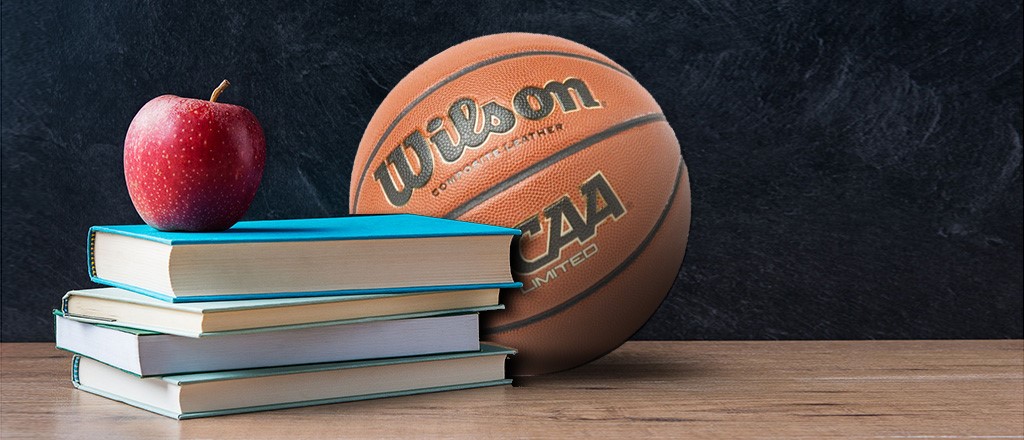
However, challenges still persist in spite of the positive atmosphere. For instance, one of the greatest misconceptions associated with student-athletes is that they have plenty of spare time due to their numerous engagements. “Your entire life and all your thoughts revolve around your sport or school,” Peressutti admitted.
However, she still maintains that the activity instills discipline and practical skills. According to experts at NFHS, student athletes usually exhibit better leadership qualities and time management skills compared to their contemporaries.
Nola advises high school athletes considering playing at the college level to “cast a wide net” and consider both academic and athletic fit before committing to any school.

