
The 2020 United States census brought massive changes to one of our country’s oldest government functions. It was also beset by controversy and disaster. There was a giant technological shift: the first time in a 230-year history that census takers have used a smartphone app instead of paper, and the first time options were available to respond online or by phone. The Coronavirus deadly global pandemic added a layer of difficulty and danger during a time when most citizens were being encouraged to isolate and quarantine. There were also large accusations about partisan influence on the census and deliberate sabotage of vital infrastructure. Census data determines not only program funding but also apportionment of seats in congress, so a questionable census can still affect the power balance in the House of Representatives for the next 10 years.
I interviewed Anne Arrowsmith, a census taker or “enumerator,” about her experience working in the field. She talked about problems ranging from technical difficulties to employees being told they should lie on reports. To fully disclose my relationship with the subject, Anne Arrowsmith is my mother.
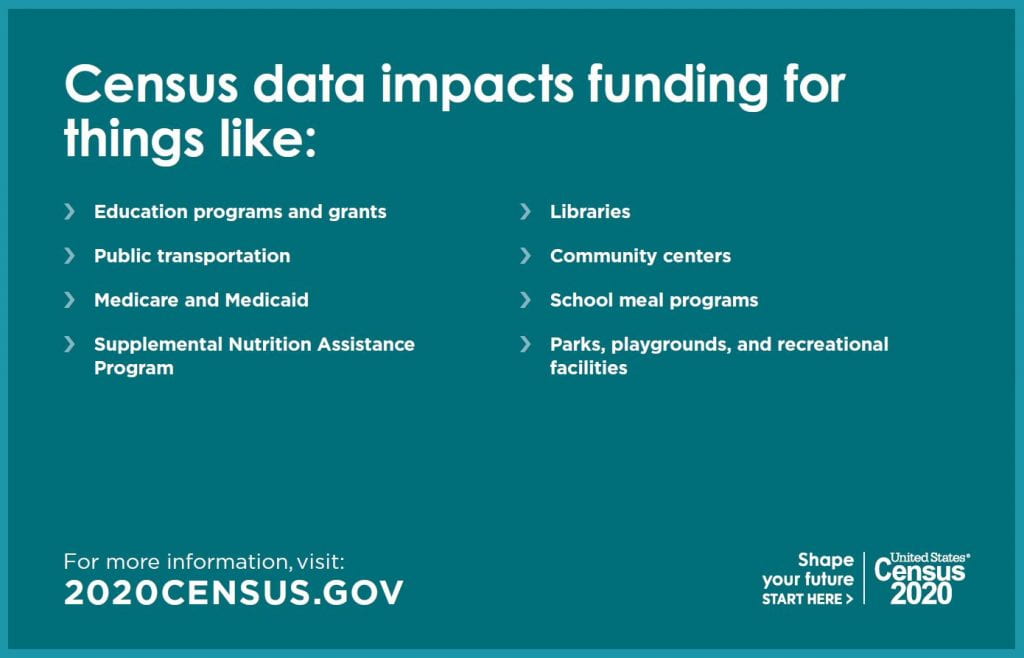
Why is this all important? Census data is used to determine allocation of funding for government programs that affect everyone.
The overt influence exerted on the census by President Trump hasn’t exactly been a secret. His administrations pushed for a controversial “citizenship” question, which failed under heavy criticism. The prevailing concern was that it would compromise the accuracy of the process if potential responders thought their answers could be used against them by immigration.
This year President Trump also appointed a string of total outsiders to the U.S. Census Bureau in newly created high-level positions, a move that reportedly surprised long-term staff. These included Nathaniel Cogley as deputy director for policy, Adam Korzeniewski as Cogley’s senior advisor, Benjamin Overholt as deputy director for data, and Trey Mayfield as counselor to the bureau’s director. It’s extremely unusual for an administration to make this many political appointments to the Census Bureau, especially while a census is actively underway.

Left: a 1930 census form, Right: the 2020 census app
Anne talks about feeling the trickle-down effects of political pressure on the ground level, but she repeatedly emphasizes what she thought was the biggest problem for enumerators. “The most frustrating thing was the app – it was the first time they’d used the app instead of paper, and it was not as well designed as it could have been, and the whole system wasn’t integrated well with the app.” She’s not alone in these complaints. Many enumerators have taken to social media to complain about faulty design problems with the app that wasted countless working hours and taxpayer dollars. These weren’t just bugs and glitches, they were startling inefficiencies and redundancies that made it difficult to document and facilitate the full range of responses. The inability to correct basic problems meant enumerators in the field were frequently tied up hunched over a phone with unnecessary clerical work.
It even slowed down simple interactions like basic interviews. “The app involved clicking and waiting, clicking and waiting, clicking and waiting, which was a very different experience I think from what it would have been with paper, where you could just answer the questions however they came out from the person.” This is not meant to suggest that the U.S. Census Bureau should regress to using paper again, but the situation begs a lot of questions. Surely with 10 years since the last census, and the giant funding of such a large organization, they could’ve developed something at least competent. This speaks to a colossal level of mismanagement. It’s unclear whether that mismanagement was deliberate or genuine human error, but either way it’s a cause for alarm.

2020 Census Enumerators used web communities like the /r/Census forum on Reddit to talk about the experience anonymously outside work parameters.
On the positive side, another big shift in technology for this census has been the emergence of popular social media sites like Reddit. This year the subreddit community “/r/Census” exploded in a matter of months with enumerators talking to each other, sharing tips and stories based on their experiences in a way they’ve never been able to before. There are nice and heartwarming posts also, but a lot of them are about grievances with the program. These are posted anonymously so they should be taken with a grain of salt, but the overall picture they paint is not pretty. The current stickied post at the top is “Whistleblower Resources” for people who want to report on malfeasance. “The 2020 Census has been nothing but a shit show” another user writes. Going a step further, in another popular post a user asked “Do you get the feeling that we’re unwitting pawns in a scheme to legitimize a botched and inaccurate census?” I can’t personally speak to whether these are legitimate grievances or cranks with conspiracy theories, but either way it’s concerning that posts like these clearly resonated with a lot of enumerators.

This graphic shows how apportionment of the U.S. House of Representatives seating changed based on 2010 Census data
In addition to pressures coming from the top, a lot of enumerators also described meeting an increased level of hostility compared to previous years. It is normal for census takers to face some resistance. There will always be free spirits who just don’t like the government knocking on their door and asking questions, or the occasional cannibal psychiatrist ready with fava beans and chianti. However, this seemed to correspond with the country’s rapid polarization along partisan lines in the last several years.
Anne spoke about people boycotting the census as part of a deliberate strategic effort to sabotage their own districts. “The politics really played into it. I didn’t experience this but a lot of people met with people that were just refusing to be to be counted, which I don’t think really had happened before. There were people that said they didn’t want to increase the numbers for their state because for instance it might be a blue state and they were red and they wanted their state to lose Congress-people. Crazy.” This was compounded by the problem that denser urban areas, which usually lean left politically, are more difficult to count.
It’s probably impossible to know how well these measures actually worked, but we’re already starting to see forecasts of how congressional seating will change based on this year’s data. Multiple sources are currently predicting that states like California, New York, Illinois, Michigan, Ohio, Pennsylvania, and Rhode Island may be losing seats. Meanwhile Arizona, Florida, Montana and Texas will be gaining more representation.
Despite these problems, Anne said she greatly enjoyed working for the Census Bureau and would be happy to do it again. “It was fun, it was really good exercise, the people were very interesting, and most of them were very nice. You got to know your neighborhood better, and you talked to all different kinds of people, and the best things about it were you you just felt like you were doing something important.”
To learn more about the U.S. census and its impact, here are some additional resources:
- The 2020census.gov website has a valuable section on Why Your Answers Matter broken down into two parts: “Importance of the Data” and “Impact in Your Community“
- In a section titled “Fighting 2020 Census Rumors“
- To read more firsthand accounts of census enumerator stories check out web communities like /r/Census on Reddit.com